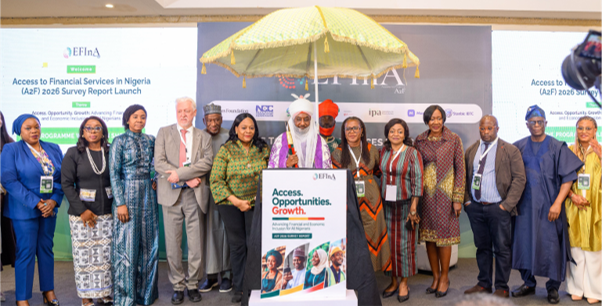




Lagos, Nigeria – November 18, 2026 – The Chief Executive Officer of Enhancing Financial Inclusion and Advancement (EFInA), Foyinsolami Akinjayeju, has called for stronger trust between lenders and borrowers as a foundation for building an inclusive credit ecosystem and unlocking economic opportunities across Africa. Delivering the keynote address at the Africa Credit Expo 2026, she drew on findings from EFInA’s Access to Financial Services in Nigeria (A2F) 2026 Survey to highlight the importance of consumer confidence, reliable financial information and responsible financial services in expanding access to credit.
Held under the theme “Reimagining Africa’s Credit Economy: Unlocking Capital, Trust and Opportunity,” the fourth edition of the Africa Credit Expo (ACE), convened by CreditRegistry and supported by the African Export-Import Bank (Afreximbank), brought together industry leaders, financial institutions, policymakers, regulators, innovators, entrepreneurs, young professionals and students to examine the opportunities and challenges shaping Africa’s credit ecosystem. In her opening remarks, CreditRegistry’s Managing Director/CEO, Dr Jameelah Sharrieff-Ayedun, highlighted the importance of equipping young people with the knowledge and practical opportunities to access capital and build lasting wealth, reinforcing the Expo’s focus on preparing the next generation to participate in Africa’s credit economy.
Against this backdrop, Akinjayeju’s keynote examined the importance of trust in making credit opportunities accessible and sustainable. She highlighted the role of credit in supporting business growth, entrepreneurship and household financial needs, noting that its potential to drive economic development depends on the confidence lenders and borrowers have in the financial system.
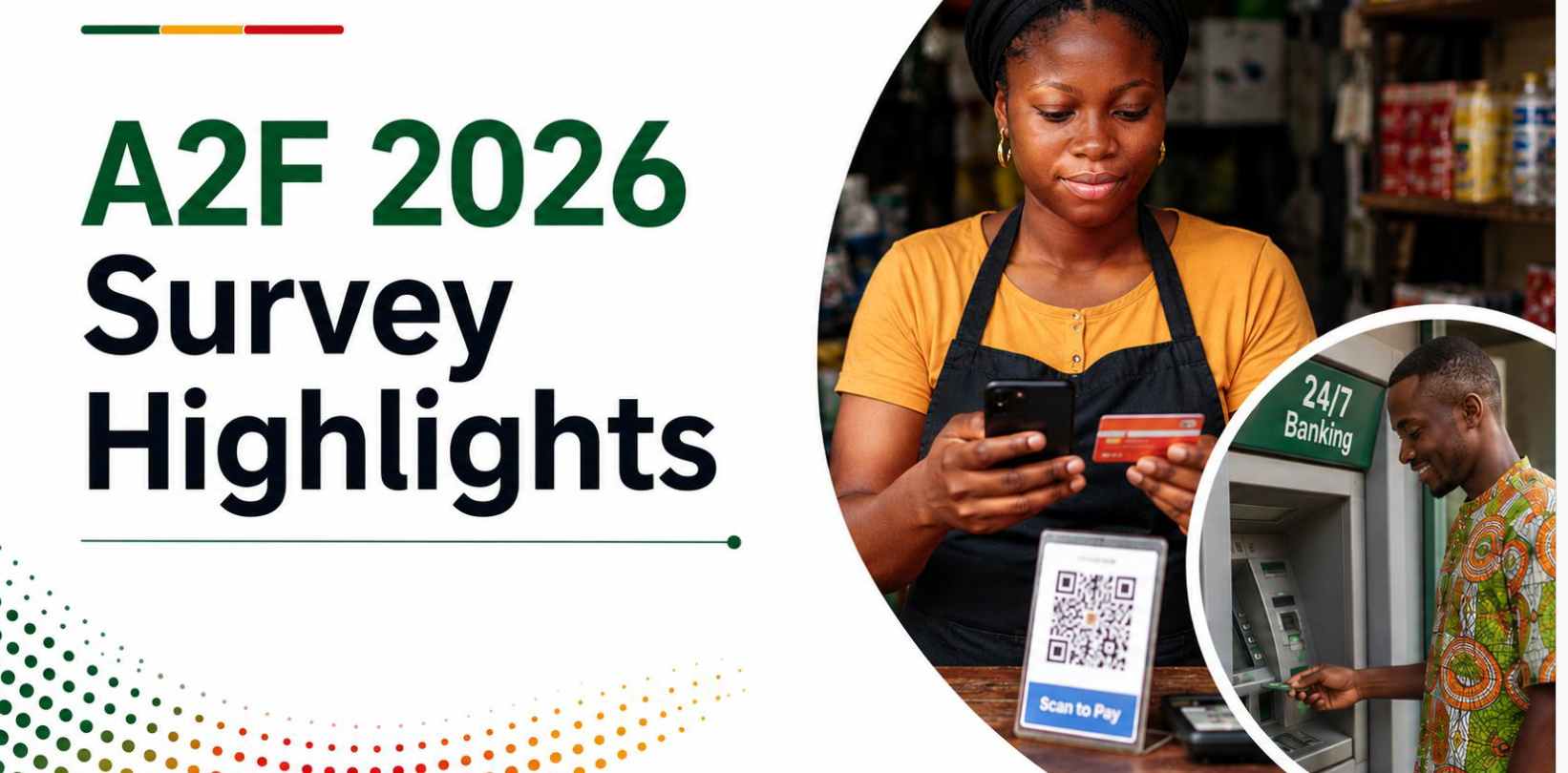
Drawing on the A2F 2026 Survey, she noted that formal financial inclusion among Nigerian adults increased from 64% in 2023 to 73% in 2026. However, formal credit usage remained approximately 10%, while 36% of adults borrowed from formal or informal sources. She explained that these figures highlight the distinction between participation in the formal financial system and the actual use of formal credit, providing important context for discussions about expanding access to financing.
Further highlighting the relationship between trust and financial service usage, Akinjayeju referenced survey findings showing that 96.9% of existing users of formal financial services who trusted their providers had used their services within the previous 90 days, compared with 65.6% among those who distrusted their providers. While this finding relates to formal financial services broadly rather than credit specifically, she noted its significance in understanding the association between trust and continued engagement with financial service providers. She emphasised that strengthening confidence in the credit ecosystem requires attention to both the quality of information available to lenders and the experiences of consumers. For lenders, reliable financial information, credible credit histories and financial identity systems support informed lending decisions. For borrowers, confidence depends on transparent borrowing terms, protection of personal information and access to effective complaint-resolution mechanisms. “The future of credit is not simply about expanding lending. It is also about strengthening the foundations on which credit relationships are built,” she stated. She added that an economy where trust unlocks opportunity is one where lenders have reliable information to make informed decisions, borrowers have confidence in the institutions serving them, and access to credit supports greater economic participation.
In recognition of her leadership and contributions to advancing financial inclusion, Akinjayeju received an Award of Recognition at the Expo. The recognition highlights the importance of sustained leadership, advocacy and collaboration in strengthening Nigeria’s financial ecosystem and advancing access to financial services for underserved populations.
EFInA remains committed to generating and sharing evidence, supporting policy dialogue, strengthening stakeholder collaboration and advancing solutions that improve access to and usage of appropriate financial services, particularly among underserved populations. Through these efforts, EFInA continues to champion a more inclusive and trusted financial ecosystem where access to financial services translates into meaningful economic opportunities for all Nigerians.